As a result of the monetary value and the challenges associated with fraud or even the likelihood of a white-collar crime, insurance companies and those defending claims need to be cognizant of their surroundings.
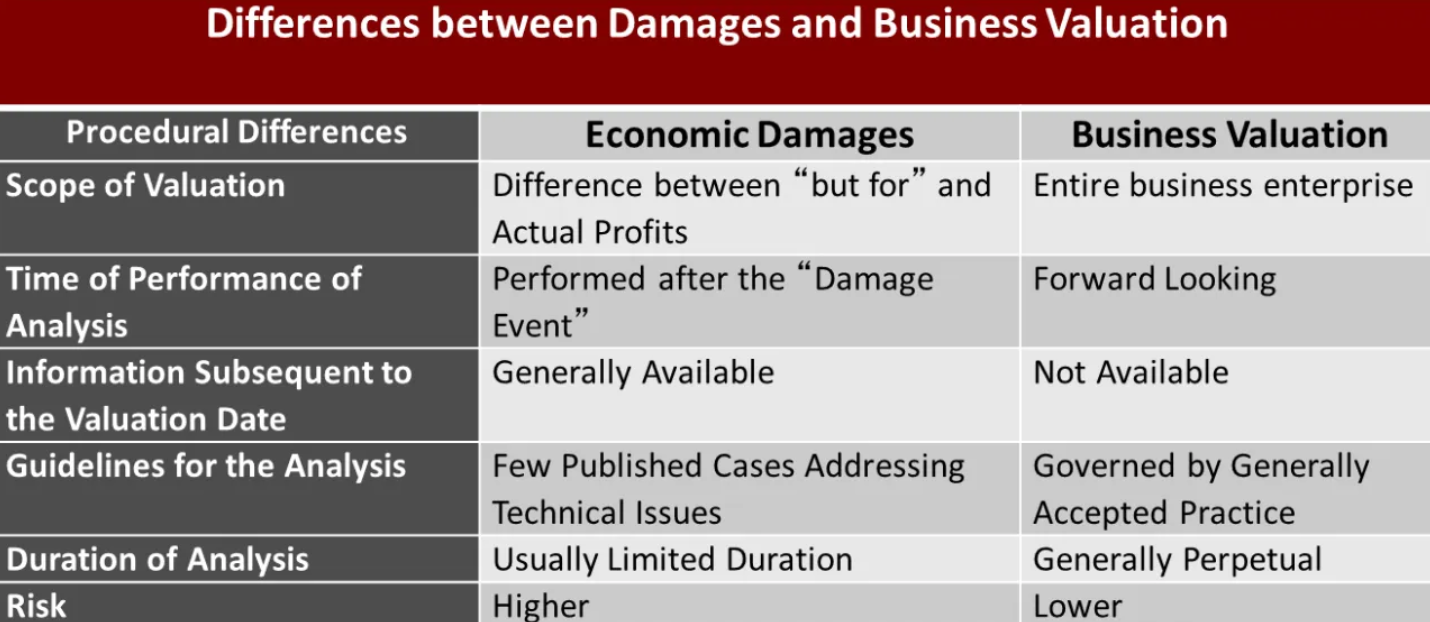
This “inaccuracies” and misrepresentation of the loss is a key driver for an independent, accredited determination of the economic loss.
White-collar crime is a global phenomenon that affects economies worldwide. It encompasses a broad range of non-violent offenses committed by individuals or groups in business and government settings. These crimes typically involve deceit, concealment, or violation of trust and are often financially motivated. Some common types of white-collar crime include fraud, embezzlement, insider trading, bribery, and money laundering.
White-collar crime affects over 35% of U.S. businesses. An estimated 75% of all employees steal from their employer at least once, and another half of that percentage is repeatedly stealing. Over 50% of embezzlers are managers.
Identity theft and fraud alone have affected over 17 million Americans. In fact, at least 24% of U.S. households have been victims of a white-collar crime. And unfortunately, most of these occurrences go unnoticed, with 88% of victims opting not to file a formal complaint.
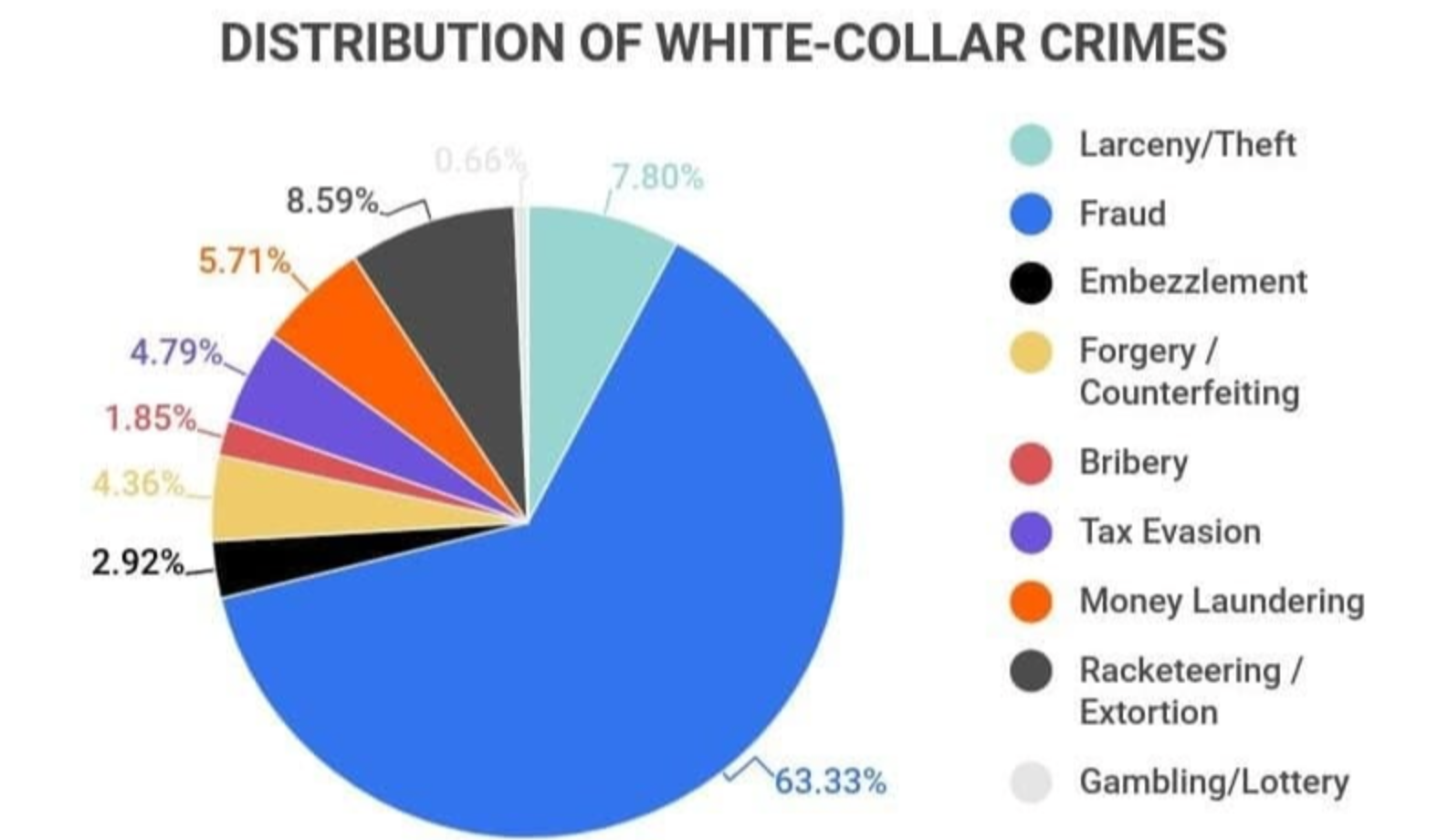
Who Commits the Most White-Collar Crime?
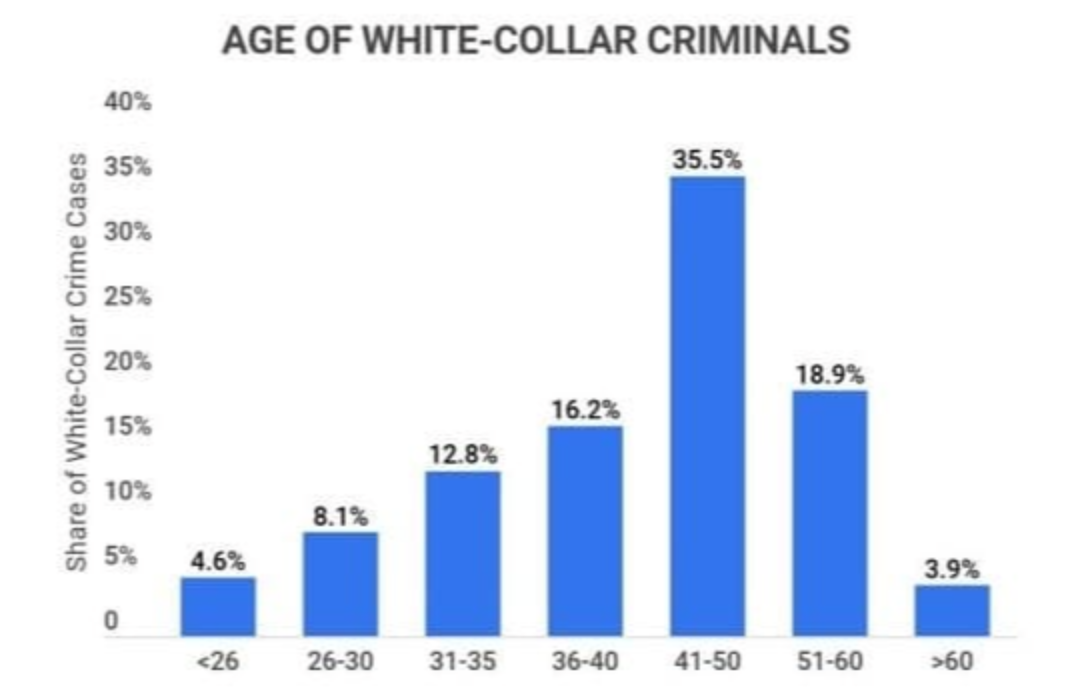
White males between the ages of 41-50 are the most common demographic that commits a white-collar crime. Males commit at least 75% of white-collar crimes, and crimes like bribery are overwhelmingly committed by white individuals (84.9%). This is likely because individuals in this age range tend to hold positions of power in the workplace, as well as know a great deal about how money cycles through the workplace. On the other hand, women commit very little white-collar crime, with less than 10% of white-collar criminals being female.
What Countries Have the Most White-Collar Crime?
United States
China
Russia
India
Nigeria
It’s important to note that white-collar crime can occur in any country and across various industries and sectors. Efforts to combat financial misconduct and promote transparency, accountability, and integrity are essential for addressing the root causes of white-collar crime and fostering sustainable economic development globally.
Trends in White-Collar Crime: Looking Ahead
There has been a steady decline in white-collar crimes prosecuted over the last decade, although fraud and identity theft crimes have increased. The prevalence of the internet and globalization could be playing a part in this increase.
Identify theft complaints rose by 113% from 2019 to 2020. This is likely because the pandemic caused more criminals to go digital. While identity theft made up only about 14% of complaints in 2018, it made up 29% of 2020’s identity theft and fraud cases.
Navigating the nuances of economic loss evaluations requires a keen understanding of various factors, from direct costs like medical expenses to complex considerations such as diminished earning capacity. In the dynamic world of claims management, securing accurate economic loss determinations is a critical step. Choosing a reliable partner can make all the difference.